Table of contents
Delve into the captivating world of kimono fabrics and witness how tradition gracefully meets innovation through contemporary design. This article invites you to trace the journey of kimono textiles, observing their dynamic transformation and enduring influence in modern fashion. Discover how age-old weaving techniques and patterns are reinterpreted today, promising a fresh perspective on an iconic symbol of Japanese culture.
Roots of traditional kimono textiles
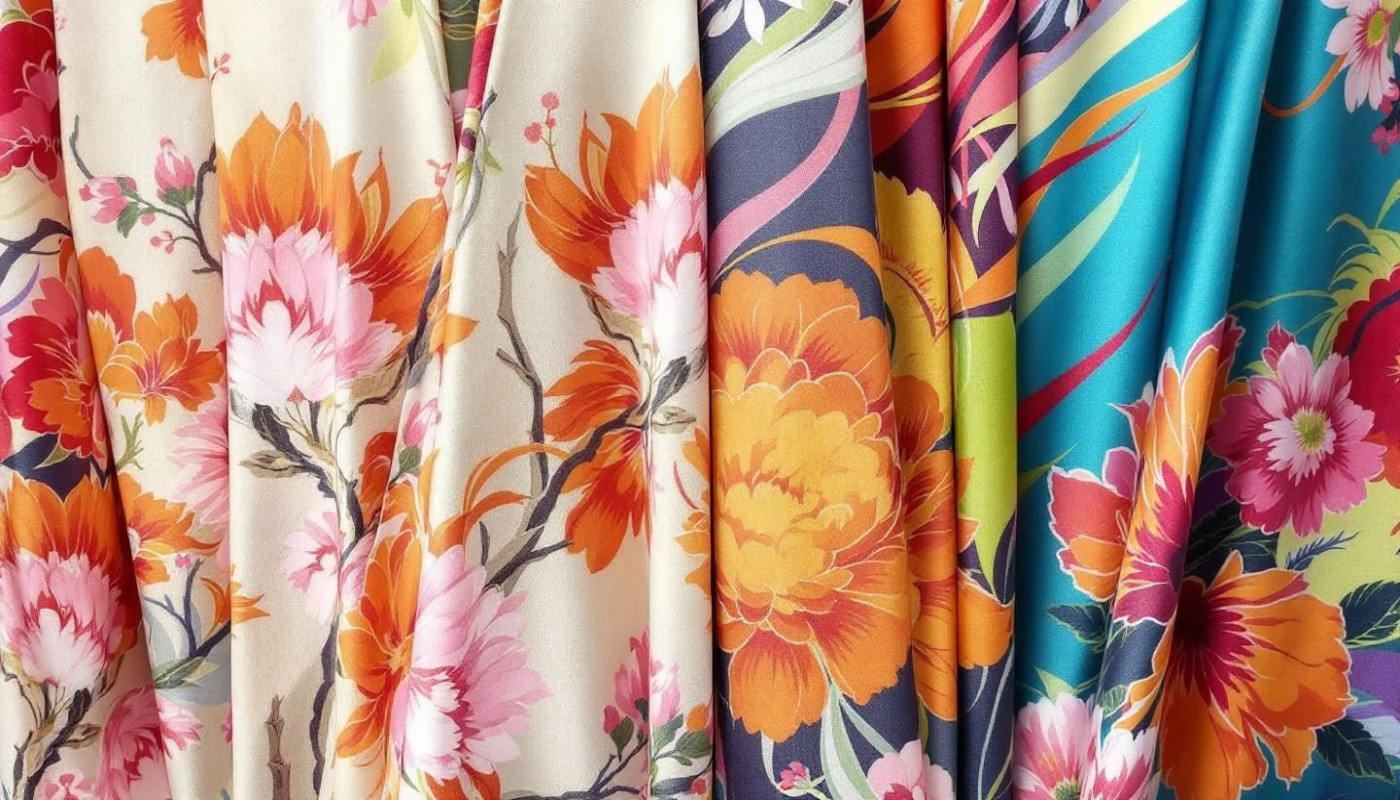
The fabric tradition behind the kimono reflects centuries of Japanese innovation and artistry, closely tied to the country’s natural resources and cultural landscape. Traditional kimono relied on natural fibers like silk, renowned for its softness and luster, and hemp, valued for durability and breathability. Silk weaving, introduced from China in antiquity, quickly became associated with nobility and ceremonial dress, while hemp served everyday needs due to its accessibility. The symbolic importance of fabric extended beyond utility; the methods of weaving and dyeing, such as yuzen—a resist dyeing technique for creating detailed, painterly motifs—and shibori, a form of intricate tie-dye, allowed artisans to embed layers of cultural meaning within the garment. These motifs often communicated status, seasonal references, or auspicious wishes, transforming the kimono into a canvas for storytelling firmly rooted in Japanese textiles.
Every aspect of historical fabrics in kimono history, from the choice of base fiber to the elaborate surface design, conveyed messages about the wearer’s identity, social class, and values. In addition, the motifs themselves were often chosen to reflect philosophical beliefs or connections to nature, such as cranes for longevity or waves for resilience. The development of these techniques and patterns is extensively chronicled in publications and resources such as Japan Magazine, which offer insight into the enduring legacy of traditional kimono within Japanese culture. By studying the evolution of these textiles, enthusiasts and scholars gain a deeper appreciation for how historical practices continue to influence modern kimono design.
Modern materials and textile innovation
Modern kimono design has undergone a striking transformation with the adoption of innovative materials, particularly synthetic fabrics and sophisticated fiber blends. While traditional silk remains valued, the introduction of polyester, rayon, and other man-made fibers has expanded possibilities for both designers and wearers. These synthetic fabrics offer enhanced durability, lightweight comfort, and reduced maintenance compared to conventional textiles, making the modern kimono a practical choice for everyday or casual use. Fiber blends combining natural and synthetic elements optimize breathability, drape, and resilience, reflecting a deliberate push toward textile innovation in the contemporary kimono industry.
Advancements in fabric technology have further propelled this evolution. Digital printing allows for precise, intricate patterns and vibrant coloration that were once labor-intensive or impossible with hand-dyeing. In addition, new fabric treatments improve stain resistance and moisture wicking, increasing the garment's utility and longevity. These developments have democratized the modern kimono, making it accessible to a broad audience and encouraging experimentation with styles and motifs. Through textile innovation and the use of synthetic fabrics, contemporary kimono designs not only honor tradition but also embrace the convenience and aesthetic possibilities of modern life.
Fusion of tradition and contemporary style
The dynamic landscape of kimono fusion showcases a remarkable interplay between age-old craftsmanship and contemporary design sensibilities. Designers adeptly employ juxtaposition, blending traditional patterns with modern motif inspirations, resulting in garments that resonate across diverse audiences. Classic cranes or sakura blossoms, for instance, are reinterpreted with bold, geometric lines or unexpected color palettes, aligning with global fashion preferences. This approach not only revitalizes the cultural essence of the kimono but also ensures its adaptability and desirability among younger generations. By merging heritage-rich textiles with innovative cuts and fabric technologies, these hybrid creations testify to the enduring allure and versatility of the kimono in today’s ever-evolving style narrative.
Sustainability in kimono fabric production
Eco-friendly approaches are increasingly defining the landscape of sustainable kimono production, with artisans and industry leaders placing a strong emphasis on responsible practices. One significant advancement is the use of organic dyes, derived from natural sources such as indigo, persimmon, and plant-based pigments, offering vivid coloration while minimizing environmental impact. Upcycled textiles have become a popular choice among ethical fashion advocates, as leftover fabrics from traditional processes are creatively repurposed into new modern designs, reducing both textile waste and resource consumption. Responsible sourcing of raw materials—such as organically grown cotton, hemp, and sustainable silks—ensures that the environmental footprint of eco-friendly fabrics is minimized from cultivation to finished garment.
Lifecycle assessment, a technical method for evaluating environmental impacts at each stage of production, is guiding both individual artisans and larger manufacturers in their quest for sustainability. By analyzing every step from fiber cultivation to disposal, producers can identify opportunities to conserve water, energy, and raw materials, as well as limit chemical usage. This comprehensive evaluation supports the development of sustainable kimono collections that uphold both tradition and environmental responsibility. As a result, consumers are becoming more conscious of the origins and ecological impact of their garments, fueling demand for products that reflect a commitment to ethical fashion.
The growing popularity of eco-friendly fabrics and upcycled textiles is reshaping the culture around kimono apparel. Artisans are experimenting with innovative weaving and dyeing methods that prioritize non-toxic, biodegradable substances, ensuring that each kimono aligns with strict environmental standards. Collaborative initiatives between kimono houses and environmental organizations have emerged, aiming to educate the community about the value of organic dyes and the significance of supporting sustainable kimono brands. Such efforts reinforce the connection between heritage craftsmanship and contemporary environmental concerns.
Consumer awareness plays a pivotal role in sustaining this transformation. Social platforms and industry events are amplifying stories of artisans dedicated to ethical fashion, fostering a supportive marketplace for sustainable kimono options. As the concept of lifecycle assessment gains traction, both producers and buyers are encouraged to consider the long-term impact of their choices. This collective shift not only preserves the artistry and history of the kimono but also ensures that the garments produced today contribute to a more responsible and eco-conscious future.
Global impact and future directions
Modern kimono fabrics are increasingly recognized within global kimono and international fashion circles for their adaptability and visual intrigue. With designers embracing cultural exchange, contemporary kimono evolution is shaped by vibrant collaborations between Japanese artisans and creators from around the world. This synergy encourages the integration of new textures and sustainable materials while respecting centuries-old techniques. Digital platforms have amplified these connections, facilitating real-time sharing of ideas and exposing wider audiences to modern textile trends. Trend forecasting suggests that as innovation in materials and eco-consciousness intersect with traditional motifs, new patterns and silhouettes will emerge, pushing the boundaries of kimono aesthetics. In the coming years, expect the kimono to serve as both a canvas for global artistic expression and a symbol of evolving cultural dialogue, continually inspiring designers and consumers alike.
Similar

How Online Art Platforms Are Transforming Access To International Art Markets

How To Choose The Perfect Luxury Fashion-themed Canvas Art For Your Space

Eco-conscious Design: The Future of Sustainable Living
